Edgar Cayce - The Sleeping Prophet
Today's Thought: "Nothing of importance happens in our lives that isn't first foreshadowed by a dream."
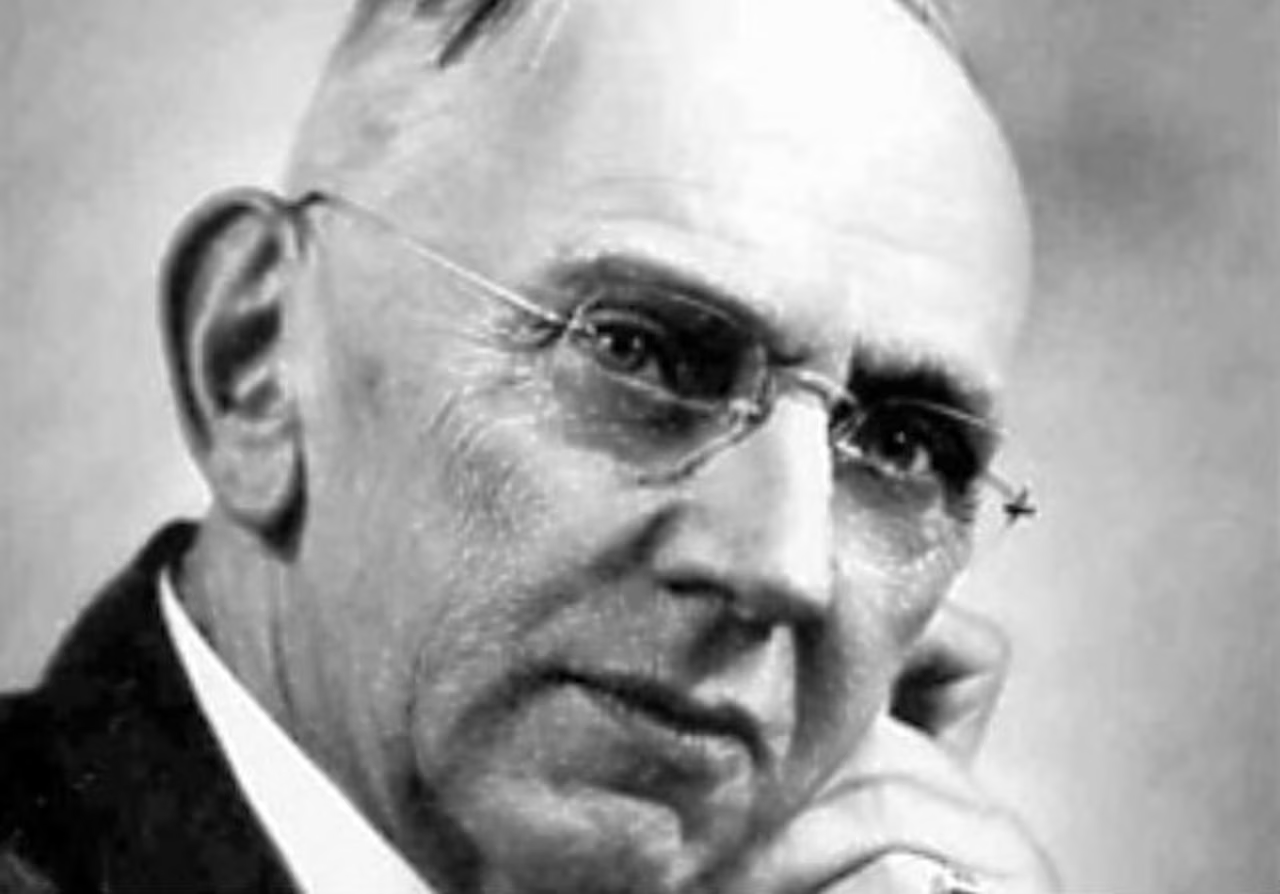
Edgar Cayce, often called the "sleeping prophet," had a significant amount to say about dreams based on the thousands of psychic readings he gave while in a trance state. Here are some of his key thoughts on dreams:
Central Importance of Dreams:
Foreshadowing: Cayce famously stated that "nothing of importance happens in our lives that isn't first foreshadowed by a dream." He believed dreams often provide insights and warnings about future events, although not all dreams are predictive.
Connection to the Subconscious/Soul: He saw dreams as a primary way for our subconscious mind (or soul mind) to communicate with our conscious awareness. The subconscious has access to a much broader range of information and understanding.
Guidance for Everyday Life: Cayce emphasized that dreams are "phenomena or experiences for [each of us] to use and apply in [our] everyday walks of life." They offer guidance on relationships, health, career decisions, and spiritual growth.
Types of Dreams:
Physiological Dreams: Related to the needs and conditions of the physical body.
Mental/Emotional Dreams: Reflecting our thoughts, emotions, fears, and desires.
Psychic/Precognitive Dreams: Providing glimpses into the future or insights into other realms.
Spiritual Dreams: Offering guidance and understanding related to our spiritual path and purpose.
Working with Dreams:
Cayce provided practical advice on how to work with dreams:
Ask for a Dream: Before sleep, consciously ask for guidance or insight on a specific issue.
Keep a Dream Journal: Write down your dreams immediately upon waking, even fragmented ones, as details are easily forgotten.
Look for Symbols: Cayce believed our subconscious communicates through symbols. He provided general interpretations for many common symbols (e.g., water often relates to emotions, birds to love or spirituality), but emphasized that personal associations are key.
Record Feelings: Note the emotions you felt during the dream and upon waking, as these often reveal the soul's perspective on the dream's content.
Be Consistent: Regular attention to your dreams will improve recall and understanding over time.
Be Your Own Interpreter: Cayce stressed that the dreamer is the best interpreter of their own dreams, as they have the most intimate knowledge of their personal symbols and experiences.
Key Quotes from Edgar Cayce on Dreams:
"Dreams are today's answers to tomorrow's questions."
"The subconscious mind is like a bird high above the road we are traveling; it can see more than our conscious mind, and we have access to it through our dreams."
"In dreams, people experience for themselves every important kind of psychic phenomenon, and every level of helpful psychological and religious counsel."
In summary, Edgar Cayce viewed dreams as a vital source of information, guidance, and self-understanding, originating from our subconscious or soul. He encouraged actively engaging with dreams through journaling and personal interpretation, believing they offer valuable insights for navigating our physical, mental, and spiritual lives.

Book of Dreams - Study Guide - Get Yours Today!

* The Dream
* Dream Timeline
* Dream Briefing
* Dream Study Guide
* FAQ (Frequently Asked Questions)
The ebooks give an insight into the dreams that Mr. Kelly Dunn has been compiling for over thirty years.
Bookmark this page for future updates!