Sigmund Freud - Founder of Pyschoanalysis
Today's Thought: The idea that dreams may sometimes hint at or predict future events in the dreamer's waking life
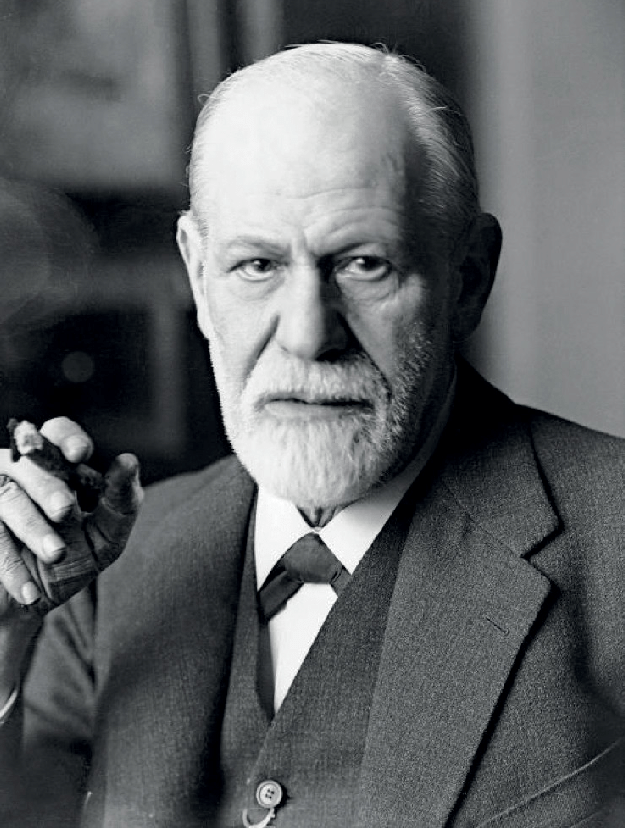
Sigmund Freud, the founder of psychoanalysis, placed immense significance on dreams, famously calling them the "royal road to the unconscious."
His theories, primarily outlined in his seminal work The Interpretation of Dreams (1899),
revolutionized the understanding of the human mind. Here are the key aspects of what Freud said about dreams:
1. Wish Fulfillment:
Freud believed that the primary function of dreams is wish fulfillment. He argued that unconscious desires, often stemming from childhood experiences and repressed urges (especially sexual and aggressive ones), find an outlet in dreams.
These wishes are often disguised or symbolized to make them less threatening to the conscious mind, allowing us to sleep without being disturbed by anxiety.
2. Manifest Content vs. Latent Content:
Freud distinguished between the manifest content and the latent content of a dream.
Manifest Content: This is the dream as it is consciously remembered upon waking – the actual storyline, images, and events of the dream. Freud believed this was a distorted version of the unconscious content.
Latent Content: This is the unconscious thoughts, feelings, and desires that underlie the manifest content. Freud believed the true meaning of the dream lay in uncovering this latent content.
3. Dream Work:
Freud proposed that the manifest content is a product of dream work, a psychological process that transforms the unacceptable latent content into a more tolerable and symbolic form. He identified several key mechanisms of dream work:
Condensation: Several unconscious wishes, ideas, or emotions are combined into a single manifest element.
Displacement: The emotional significance of an unconscious idea is shifted onto a less threatening object or person in the dream.
Symbolization: Unconscious desires and conflicts are represented by symbolic images (e.g., phallic symbols, vaginal symbols, symbols of authority).
Freud compiled a list of common dream symbols, though he emphasized that personal context was also important.
Secondary Revision (Elaboration): The conscious mind tries to make sense of the fragmented and illogical manifest content upon waking, often creating a more coherent but ultimately misleading narrative.
4. The Unconscious:
Dreams, according to Freud, provide a window into the unconscious mind, the reservoir of repressed thoughts, memories, and desires that influence our behavior even though we are not aware of them.
Analyzing dreams was a key technique in psychoanalysis to access and understand the patient's unconscious conflicts.
5. Importance of Interpretation:
Freud believed that by carefully analyzing the manifest content of a dream and using techniques like free association (where the dreamer says whatever comes to mind when thinking about dream elements), the latent content could be uncovered.
The interpretation of dreams was seen as crucial for gaining insight into the patient's unconscious conflicts and ultimately leading to psychological healing.
In summary, Freud viewed dreams not as random neurological firings, but as psychologically meaningful expressions of unconscious wishes and conflicts, disguised through dream work. Analyzing the manifest content to reveal the latent content was a cornerstone of his psychoanalytic theory and practice.

Book of Dreams - Study Guide - Get Yours Today!

* The Dream
* Dream Timeline
* Dream Briefing
* Dream Study Guide
* FAQ (Frequently Asked Questions)
The ebooks give an insight into the dreams that Mr. Kelly Dunn has been compiling for over thirty years.
Bookmark this page for future updates!